



Weight Loss Medication Pills vs. Shots: Which Is Right for You?
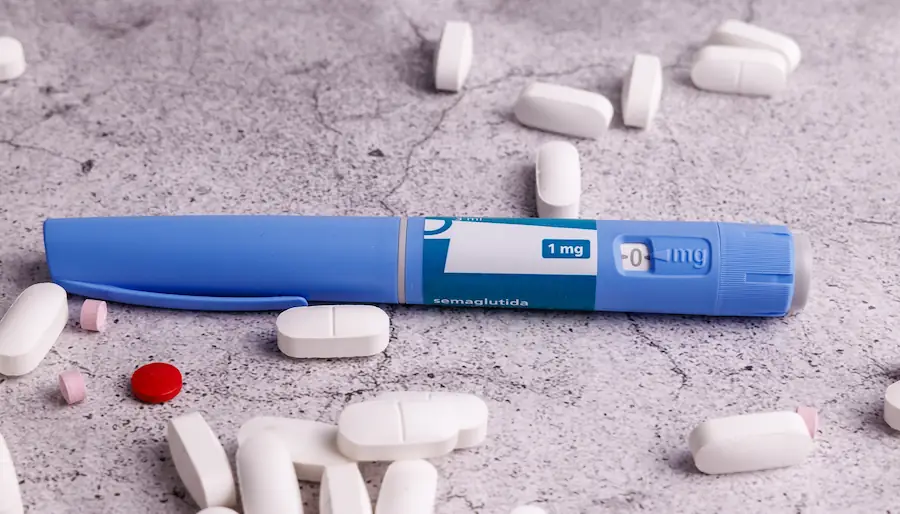
If you are considering medical weight loss, you may have noticed that there are more options than ever before. Weight loss medications are available as daily pills and weekly injections, and newer medications have changed what patients can realistically expect from medication-assisted weight loss.
But which is better: weight loss pills or weight loss shots?
The answer depends on your health history, weight-loss goals, medications, lifestyle, insurance coverage, budget, and how your body responds to treatment.
At St. Louis Bariatrics – The Weight Loss Experts, we believe weight loss treatment should be personalized. Medication may be the right option for some patients, while others may benefit from a different approach, including bariatric surgery.
Weight Loss Pills vs. Injections: What’s the Difference?
Weight loss medications work in different ways. Some medications reduce appetite, some affect hunger and fullness signals, and newer medications mimic hormones involved in appetite regulation.
The FDA currently recognizes several categories of medications used for chronic weight management, including oral medications such as orlistat, phentermine/topiramate, and naltrexone/bupropion, as well as injectable medications such as semaglutide and tirzepatide.
There is also an important development for patients who don’t want injections: Wegovy (semaglutide) is now available as a pill as well as a once-weekly injection.
Weight Loss Pills
Common prescription oral weight loss medications include:
- Phentermine – An appetite suppressant that has traditionally been used for short-term weight management.
- Phentermine/topiramate (Qsymia) – Combines two medications that can decrease appetite and food cravings.
- Naltrexone/bupropion (Contrave) – Works on areas of the brain involved in appetite and food cravings.
- Orlistat – Reduces the amount of dietary fat absorbed by the body.
- Semaglutide (Wegovy) tablets – A newer oral GLP-1 medication taken daily.
- Foundayo – An oral weight loss medication option that works through the GLP-1 pathway to help with appetite and weight management.
Traditional oral weight loss medications generally produce less weight loss on average than the newer incretin-based medications. FDA-reviewed data describe the older non-incretin oral medications as generally producing single-digit average percentage reductions in body weight.
Weight Loss Shots
The medications getting the most attention today include semaglutide and tirzepatide.
Semaglutide (Wegovy) is a GLP-1 medication that helps regulate appetite and food intake. In the STEP 1 clinical trial, adults treated with semaglutide 2.4 mg lost an average of approximately 14.9% of their starting body weight after 68 weeks, compared with 2.4% with placebo.
Tirzepatide (Zepbound) works on both GIP and GLP-1 receptors. In the SURMOUNT-1 clinical trial, average weight loss after 72 weeks ranged from 15.0% to 20.9%, depending on the dose, compared with 3.1% with placebo.
These results are averages from clinical trials. Your results may be different. Weight loss depends on many factors, including starting weight, health conditions, medications, nutrition, activity, adherence, and how your body responds to treatment.
How Much Do Weight Loss Medications Cost?
One of the biggest questions patients have is, “How much will my weight loss medication cost?”
Unfortunately, there is no single answer. Your cost can vary significantly depending on insurance coverage, eligibility for manufacturer savings programs, medication, dosage, and whether you are paying cash.
As of August 2026, manufacturer self-pay programs provide some examples of current pricing:
| Medication | Form | Current self-pay pricing examples |
|---|---|---|
| Wegovy (semaglutide) | Daily pill | Starting at $149/month for certain doses |
| Wegovy (semaglutide) | Weekly injection | Starting at $199/month for eligible new patients during the introductory offer |
| Zepbound (tirzepatide) | Weekly injection | Starting at $299/month for 2.5 mg; higher doses can be $399–$449/month through the current self-pay program |
Manufacturer pricing programs have eligibility requirements and can change. Insurance pricing can also be very different from self-pay pricing.
For example, Novo Nordisk currently lists self-pay Wegovy pill pricing starting at $149 per month for certain doses, while its current introductory offer for the injectable pen starts at $199 per month for eligible new patients.
Lilly’s current Zepbound self-pay program lists $299 per month for the 2.5 mg starting dose, $399 for 5 mg, and $449 for eligible higher doses under the current purchase offer.
It’s important to look at both the monthly cost and the amount of weight loss you are hoping to achieve. A medication that costs less per month isn’t necessarily the most appropriate or effective option for your individual situation.
How Much Weight Can You Lose With Weight Loss Medication?
There is a major difference between the average results seen with older oral medications and the newer GLP-1 and GIP/GLP-1 medications.
For example:
Semaglutide: Approximately 14.9% average weight loss at 68 weeks in the STEP 1 trial.
Tirzepatide: Approximately 15%–20.9% average weight loss at 72 weeks, depending on dose, in the SURMOUNT-1 trial.
Traditional oral medications: Generally produce smaller average percentage reductions in body weight, although individual results vary.
These numbers should not be interpreted as a guarantee. Clinical trial results represent averages across groups of patients.
What About Side Effects?
Weight loss medications are not right for everyone.
Depending on the medication, possible side effects can include nausea, vomiting, diarrhea, constipation, abdominal discomfort, headache, changes in heart rate, or other medication-specific effects.
GLP-1 and GIP/GLP-1 medications also have important warnings and precautions. For example, FDA labeling includes warnings involving gastrointestinal adverse reactions, gallbladder disease, pancreatitis, kidney injury related to dehydration, and other potential risks.
That is why weight loss medication should be prescribed and monitored by a qualified medical professional who understands your health history and goals.
Pills or Shots: Which Is Better?
There isn’t one medication that is best for everyone.
A pill may be appealing if:
- You don’t want injections.
- You prefer taking medication by mouth.
- Your medical history makes a particular oral medication appropriate.
- Cost and insurance coverage make an oral medication a better fit.
An injectable medication may be appealing if:
- You want one of the medications associated with greater average weight loss in clinical trials.
- Appetite control is a major challenge.
- You prefer a once-weekly medication rather than a daily pill.
- Your medical history makes a GLP-1 or GIP/GLP-1 medication appropriate.
The right choice should be based on your health—not simply which medication is trending on social media.
Medication Isn’t the Only Weight Loss Option
For some patients, medication can be an effective tool for managing obesity. For others, medication may not provide enough weight loss to reach their health goals.
Bariatric surgery remains one of the most effective evidence-based treatments for severe obesity, and procedures such as gastric sleeve surgery and gastric bypass can produce substantial and durable weight loss.
The important question isn’t simply:
“Should I take a pill or get a shot?”
The better question is:
“What weight loss treatment is right for me?”
At St. Louis Bariatrics, we look at your medical history, weight-loss goals, previous attempts at weight loss, health conditions, medications, and overall situation to help you understand your options.
St. Louis Bariatrics: The Weight Loss Experts
If you’ve been struggling with your weight, you don’t have to figure out your options on your own.
St. Louis Bariatrics – The Weight Loss Experts offers personalized medical weight loss care and bariatric surgery options for patients who are ready to take the next step.
Whether you’re interested in weight loss medication, gastric sleeve, gastric bypass, revisional surgery, or simply want to learn what options are available, a consultation is a conversation—not a commitment to surgery.
Ready to Learn More?
Schedule a consultation with St. Louis Bariatrics today to discuss your weight loss options and determine which approach may be right for you.
St. Louis Bariatrics – The Weight Loss Experts
📞 314-366-4874
🌐 Book Online
Medical Disclaimer: This article is intended for general education and should not replace individualized medical advice. Prescription weight loss medications have specific indications, contraindications, risks, and potential side effects. Medication selection and dosing should be determined by a qualified healthcare professional. Pricing and manufacturer savings programs are subject to change and eligibility requirements.