



Retatrutide for Weight Loss: What Patients Need to Know About FDA Approval, Compounded Versions and Safety
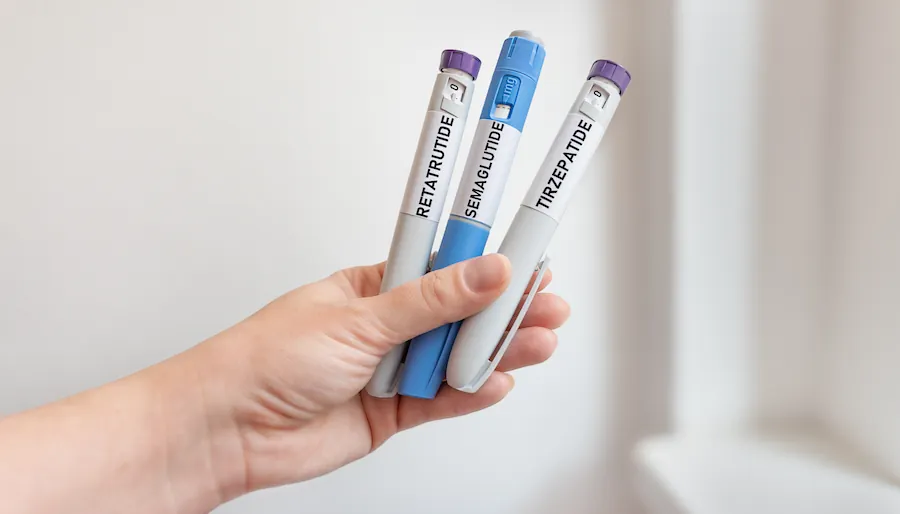
If you’ve been researching the newest weight loss medications, you’ve probably heard about retatrutide.
Retatrutide is generating significant attention because clinical trials have shown substantial weight loss, and it is being studied as a potential next-generation treatment for obesity. But there is an important distinction patients need to understand:
Retatrutide is not currently FDA approved.
As of August 2026, retatrutide remains an investigational medication being developed by Eli Lilly. It is still undergoing Phase 3 clinical trials, and Lilly has said it plans to submit the medication to the FDA for review.
That means products being sold online, through some medical spas, or advertised as “compounded retatrutide” are not FDA-approved retatrutide medications.
For patients considering weight loss medication, understanding this difference is extremely important.
What Is Retatrutide?
Retatrutide is a once-weekly injectable medication being developed by Eli Lilly for obesity and other metabolic conditions.
Unlike medications that target one or two hormone pathways, retatrutide is designed to activate three receptors:
- GLP-1
- GIP
- Glucagon
Because of this three-part mechanism, retatrutide is often described as a “triple agonist.”
The goal is to influence appetite, satiety, blood sugar regulation and energy metabolism.
This is one reason retatrutide has attracted so much attention in the weight-loss community.
How Much Weight Loss Can Retatrutide Produce?
The FDA trials will soon be published that reveal both weight loss and complication rate data.
Retatrutide is still being studied, and researchers are continuing to evaluate its safety, effectiveness, appropriate dosing and potential long-term effects.
Is Retatrutide FDA Approved?
No.
This is the most important thing for patients to understand.
As of August 2026, there is no FDA-approved retatrutide product available for prescribing in the United States. Eli Lilly states that retatrutide remains an investigational medication and is currently being evaluated in clinical trials.
Lilly has announced plans to submit retatrutide to the FDA for review, but submitting an application is not the same thing as receiving FDA approval.
Until the FDA completes its review and approves a specific product, patients should be cautious about anyone advertising retatrutide as an FDA-approved weight loss medication.
What About “Compounded Retatrutide”?
This is where patients need to be especially careful.
You may see websites, social media advertisements, medical spas or other businesses advertising:
- “Compounded retatrutide”
- “Retatrutide peptide”
- “Research-grade retatrutide”
- “Retatrutide for research use only”
- “Pharmacy retatrutide”
- “Generic retatrutide”
- “Ret”
These products should not be confused with an FDA-approved retatrutide medication.
The FDA specifically states that retatrutide cannot be used in compounding under federal law. The agency also states that retatrutide is not a component of an FDA-approved drug and has not been found safe and effective for any condition.
The FDA has also issued warning letters to companies marketing compounded or repackaged retatrutide.
For example, the FDA has stated that there are no FDA-approved applications on file for compounded retatrutide products and that such products are not eligible for the applicable federal exemptions for traditional or outsourcing-facility compounding.
Why Is Compounded Retatrutide a Concern?
There is an important difference between lawfully compounded medications and an unapproved drug being marketed as a weight-loss treatment.
Compounding can serve a legitimate medical purpose when an FDA-approved medication cannot meet a particular patient’s medical need.
But compounded medications are not FDA approved. The FDA does not review compounded medications for safety, effectiveness or quality before they are marketed in the same way it reviews approved medications.
That creates additional concerns when patients are purchasing an unapproved medication from an online source or other seller.
Potential concerns can include:
1. You may not know exactly what you are receiving
With an FDA-approved medication, the active ingredient, strength, manufacturing process and quality standards are subject to regulatory review.
With an unapproved product, patients may not have the same assurance.
2. The concentration may not be what you expect
Weight-loss medications are carefully titrated.
Taking too much medication can increase the risk of side effects and complications.
3. Purity and contamination can be concerns
The FDA warns that poor compounding practices can result in contamination or medications that do not contain the intended strength, quality or purity.
4. Storage can affect injectable medications
Injectable medications may require specific storage conditions.
The FDA has received reports involving compounded injectable GLP-1 products arriving warm or without adequate refrigeration, which can create quality concerns.
5. There may be limited information about the specific product
An FDA-approved medication has an approved prescribing label that provides healthcare professionals with information about dosing, warnings, contraindications, side effects and other safety considerations.
An unapproved retatrutide product does not have the same FDA-reviewed labeling.
“But What If a Company Says It’s for Research Only?”
This is another red flag patients should understand.
Some sellers have marketed retatrutide as being for “research use only” while simultaneously promoting it for human weight loss.
The FDA has taken action against companies marketing retatrutide in this manner.
A label saying “research use only” does not make an unapproved medication appropriate or safe for human use.
Patients should never assume that a product is safe to inject simply because a website, social media account or seller provides dosing instructions.
Why Is Retatrutide Already Being Sold?
The demand for new weight-loss medications has created a significant market for products claiming to contain investigational drugs.
Recent reports indicate that Eli Lilly has filed lawsuits against multiple companies accused of selling unauthorized versions of retatrutide, including products marketed through online businesses, medical spas and other sellers.
The FDA has also warned companies involved in marketing, distributing or repackaging retatrutide.
This is an important reminder:
Popularity does not equal FDA approval.
A medication can be highly discussed online, have impressive clinical-trial results and still not be approved for routine patient use.
Does FDA Approval Guarantee Safety?
No medication is completely without risk.
FDA approval does not mean that every patient will tolerate a medication or that side effects cannot occur.
What FDA approval does provide is an important layer of regulatory review.
The FDA evaluates evidence submitted by the manufacturer before approving a medication for specific uses. After approval, the medication continues to be monitored for safety.
For patients, this means that choosing an FDA-approved medication gives your healthcare team a medication with an established regulatory history, approved dosing information and a defined safety and effectiveness profile.
What Should Patients Do Right Now?
If you are interested in retatrutide, the safest approach is to talk with a qualified medical provider rather than purchasing an unapproved product online.
Ask questions such as:
Is this medication FDA approved?
What is the FDA-approved name of the medication?
What evidence supports its use?
Where is the medication coming from?
What are the known risks and side effects?
What alternatives are currently FDA approved?
If someone is offering you “FDA-approved retatrutide” today, that claim deserves careful scrutiny because retatrutide has not yet received FDA approval.
What Weight Loss Medications Are FDA Approved Today?
Patients don’t have to wait for retatrutide to explore medical weight loss.
There are currently FDA-approved medications for chronic weight management, including several oral medications and newer injectable medications.
The right choice depends on your medical history, weight-loss goals, medications, insurance coverage, potential side effects and other individual factors.
At St. Louis Bariatrics, our medical weight loss team can help you understand the options that are currently available and determine whether medication-assisted weight loss may be appropriate for you.
St. Louis Bariatrics: The Weight Loss Experts
The world of weight loss medications is changing quickly.
New medications are being studied. New formulations are being developed. And social media can make investigational medications appear as though they are already available and approved.
That’s why medical guidance matters.
At St. Louis Bariatrics – The Weight Loss Experts, we help patients understand their weight loss options, including medical weight management and bariatric surgery.
You don’t have to know which medication or procedure is right for you before making an appointment.
A consultation is a conversation—not a commitment.
Ready to Learn More About Your Weight Loss Options?
Schedule a consultation with St. Louis Bariatrics to discuss your goals and learn which evidence-based weight loss options may be right for you.
St. Louis Bariatrics – The Weight Loss Experts
📞 314-366-4874
🌐 Book Online
Important Medical Disclaimer: This article is for educational purposes only and is not a substitute for individualized medical advice. Retatrutide is an investigational medication and is not currently FDA approved. Patients should not purchase or use unapproved retatrutide products outside of an appropriate FDA-authorized clinical or expanded-access pathway. Medication decisions should be made with a qualified healthcare professional.