


Can Weight Loss Surgery Reverse Type 2 Diabetes?
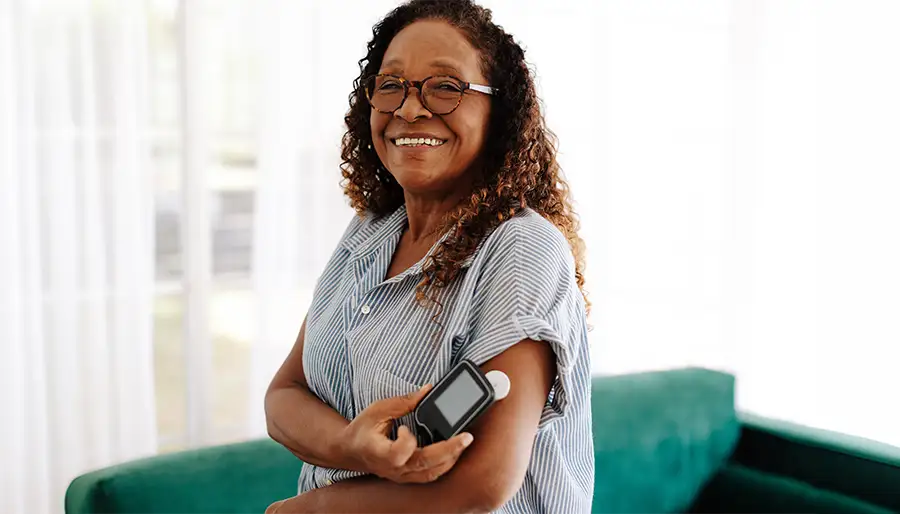
Many people living with Type 2 diabetes wonder if there’s a way to do more than simply manage their condition. While medications, diet, and exercise play an important role, weight loss surgery has helped thousands of people dramatically improve—and in many cases, achieve remission of—Type 2 diabetes.
At St. Louis Bariatrics, Dr. Jay Michael Snow has dedicated his career to helping patients overcome obesity and the serious health conditions that often come with it, including Type 2 diabetes. If you’ve been wondering whether bariatric surgery could change your health, here’s what you need to know.
Understanding the Link Between Obesity and Type 2 Diabetes
Obesity is one of the biggest risk factors for developing Type 2 diabetes. Excess body fat can make your body resistant to insulin, causing blood sugar levels to rise over time.
As diabetes progresses, patients often require:
- Multiple medications
- Higher insulin doses
- Frequent blood sugar monitoring
- Increased risk of heart disease, stroke, kidney disease, nerve damage, and vision loss
For many people, losing weight significantly improves the body’s ability to regulate blood sugar.
Can Weight Loss Surgery Reverse Diabetes?
The short answer is: Yes—for many patients, it can.
While there is no guaranteed cure for Type 2 diabetes, bariatric surgery has been shown to place diabetes into remission for many individuals. Diabetes remission means blood sugar levels return to a normal range without the need for diabetes medications for an extended period.
Many patients notice improvements in their blood sugar within days after surgery—even before significant weight loss occurs.
Why Does Surgery Work So Well?
Weight loss surgery does much more than reduce the size of the stomach.
Procedures such as the gastric sleeve and gastric bypass cause hormonal changes that improve how the body:
- Produces insulin
- Uses insulin
- Controls appetite
- Regulates blood sugar
These hormonal improvements, combined with weight loss, often create powerful metabolic changes that improve diabetes.
Which Surgery Is Best for Diabetes?
Both gastric sleeve and gastric bypass can significantly improve Type 2 diabetes, but each procedure has unique benefits.
Gastric Sleeve
The gastric sleeve removes approximately 80% of the stomach, helping patients:
- Feel full with smaller meals
- Reduce hunger hormones
- Lose significant weight
- Improve insulin sensitivity
Many patients experience dramatic improvements in diabetes after sleeve surgery.
Gastric Bypass
Gastric bypass not only reduces stomach size but also reroutes part of the small intestine.
Because of these additional hormonal changes, gastric bypass has historically shown some of the highest rates of diabetes remission, especially in patients who have had diabetes for a shorter period of time.
The best procedure depends on your individual health, medical history, BMI, and treatment goals.
Who Has the Best Chance of Diabetes Remission?
While every patient is different, research has found higher remission rates among patients who:
- Have had diabetes for fewer years
- Still produce adequate insulin
- Have not required long-term insulin therapy
- Lose a significant amount of weight after surgery
- Follow their nutrition and exercise plan
Even if complete remission isn’t achieved, many patients require fewer medications and experience much better blood sugar control.
Additional Health Benefits Beyond Diabetes
Weight loss surgery offers benefits that extend far beyond blood sugar management.
Patients often experience improvements in:
- High blood pressure
- High cholesterol
- Sleep apnea
- Joint pain
- Fatty liver disease
- Heart health
- Mobility and energy levels
- Overall quality of life
These improvements can reduce the risk of serious long-term complications and help patients live healthier, more active lives.
Is Weight Loss Surgery Right for You?
You may be a candidate for bariatric surgery if you:
- Have a BMI of 30 or greater with obesity-related health conditions such as Type 2 diabetes
- Have a BMI of 35 or greater
- Have struggled to lose weight through traditional methods
- Have regained weight after stopping GLP-1 medications such as Ozempic, Wegovy, Zepbound or Mounjaro
- Are committed to making lifelong healthy lifestyle changes
A consultation with an experienced bariatric surgeon can help determine which treatment option is best for you.
Why Choose St. Louis Bariatrics?
At St. Louis Bariatrics, weight loss isn’t just a procedure—it’s a lifelong partnership.
Dr. Jay Michael Snow, a Castle Connolly Top Doctor of St. Louis, is a board-certified bariatric surgeon whose passion is helping patients achieve lasting weight loss and improved health. Weight loss surgery is not just one part of his practice—it is his life’s work.
From your first consultation through long-term follow-up, our team provides comprehensive care including:
- Insurance verification
- Nutritional counseling
- Medical weight loss options
- Bariatric surgery
- Lifelong support after surgery
Our goal is to help you not only lose weight, but also improve or resolve obesity-related conditions like Type 2 diabetes so you can enjoy a healthier future.
Take the First Step Toward Better Health
If you’re living with obesity and Type 2 diabetes, you don’t have to face it alone.
The experienced team at St. Louis Bariatrics is here to answer your questions, discuss your options, and help determine whether weight loss surgery could be the life-changing solution you’ve been looking for.
Schedule Your Consultation Today
Learn how bariatric surgery may help you lose weight, improve your health, and potentially achieve remission from Type 2 diabetes. Contact St. Louis Bariatrics today to begin your journey toward a healthier life.
Frequently Asked Questions
Can Type 2 diabetes come back after weight loss surgery?
Yes. While many patients achieve remission, diabetes can return if weight is regained or as the body naturally changes over time. Following your long-term nutrition and exercise plan helps reduce this risk.
How quickly does blood sugar improve after bariatric surgery?
Some patients see improvements within days after surgery, even before significant weight loss occurs. Others continue to improve as they lose weight over the following months.
Will I still need diabetes medication after surgery?
Many patients reduce or completely stop diabetes medications under the supervision of their healthcare provider. Never stop taking medications without your physician’s guidance.
Does insurance cover bariatric surgery for patients with diabetes?
Many insurance plans cover bariatric surgery for qualified patients who meet medical criteria. The team at St. Louis Bariatrics can help verify your insurance benefits and explain your coverage options.