



Why Am I Gaining Weight After Stopping GLP-1 Medication?
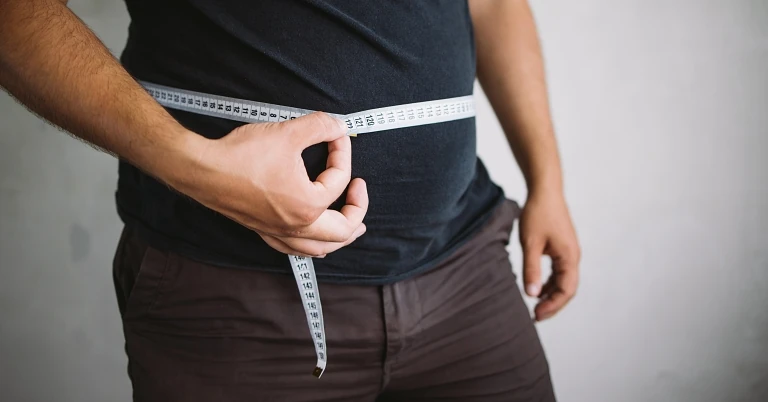
If you’ve recently stopped taking a weight loss medication like semaglutide or tirzepatide and noticed the scale creeping back up, you’re not alone. You’re also not doing anything wrong.
One of the most common things patients say is: “I’m eating the same way and staying active like I was on the medication, so why am I gaining weight?” The answer comes down to how these medications work and what changes when they’re no longer in your system.
What GLP-1 medications actually do in your body
GLP-1 medications don’t just help you eat less. They actively change how your body regulates hunger, fullness, and blood sugar. While you’re on the medication, it reduces hunger signals, helps you feel full faster and longer, slows stomach emptying, and improves how your body handles glucose.
This creates a biological environment where weight loss becomes more achievable. Once the medication stops, those effects stop with it.
Does weight regain happen to everyone?
Weight regain is common, even in patients who felt successful while on medication. Clinical studies and real-world experience both show that many patients regain a portion of their weight after stopping GLP-1 therapy. That doesn’t mean all the weight comes back. But it often means the body begins moving in that direction.
This is not a failure of discipline or motivation. It’s biology.
What changes in your body after stopping GLP-1 medications
Appetite hormones shift back. When you stop the medication, hunger hormones increase again. You may feel hungrier between meals, less satisfied after eating, and notice more frequent cravings. Even if your habits haven’t changed, your internal signals have.
Metabolism may slow. After weight loss, your body naturally burns fewer calories. This is part of a built-in mechanism designed to resist further weight loss. Without medication support, maintaining your weight becomes harder.
Your body defends a set point. Your body tends to resist long-term weight loss by pushing back toward a higher weight range. GLP-1 medications help counteract this. Once stopped, that resistance can return.
Why lifestyle alone may not be enough
This is one of the more frustrating parts for patients. You may be doing the same things: eating similar portions, making good choices, staying active. But your body is responding differently.
That’s because weight regulation isn’t only about behavior. It’s about hormones, metabolism, and brain signaling. When those shift, the same effort can produce different results. This is why obesity is now understood as a chronic medical condition, not simply a lifestyle issue.
What are your options if you’re regaining weight?
If you’re noticing weight regain, the most important step is to address it early, before it becomes harder to reverse.
Continuing or restarting GLP-1 medications. For many patients, staying on medication long-term may be part of managing weight, similar to how other chronic conditions are treated. At St. Louis Bariatrics, patients are treated with FDA-approved medications only, under physician supervision, with careful monitoring and adjustment.
Transitioning to a long-term medical plan. Some patients benefit from a structured, ongoing medical weight loss program that adapts over time rather than stopping abruptly.
Considering bariatric surgery. If you’ve experienced significant weight regain, difficulty maintaining results despite consistent effort, or repeated cycles of loss and regain, surgical options may provide a more lasting solution. Procedures like gastric sleeve or gastric bypass work differently than medications. They create lasting changes in hormones, hunger signaling, and metabolism.
Combining medication and surgery. In some cases, the most effective approach is not one or the other but using both strategically. Jay Michael Snow, MD, is a board-certified bariatric surgeon and Fellow of both the American College of Surgeons and the American Society for Metabolic and Bariatric Surgery. He has treated over 11,000 patients. His approach involves matching the right tool, or combination of tools, to the individual patient.
How do you know what’s right for you?
If you’re unsure what to do next, start with a few honest questions. How much weight have you regained? How quickly is it happening? Did you feel sustainable on medication? Are you looking for a long-term or permanent solution?
There’s no single right answer. But there is a right plan for you.
When should you talk to a provider?
If you’re gaining weight after stopping medication, it’s worth having a conversation sooner rather than later. This is especially true if the weight is returning quickly, hunger feels difficult to control, or you’re feeling discouraged or stuck.
A consultation isn’t about pressure. It’s about understanding your options.
At St. Louis Bariatrics, patients are guided through both medical and surgical pathways with a focus on long-term success.
A final note
Weight regain after stopping GLP-1 medications is common. It’s also manageable with the right support and plan. Results vary from person to person, and the best next step is always a conversation with a qualified provider who understands both the medical and surgical sides of weight loss.