



Which Weight Loss Medication Is Right for Me?
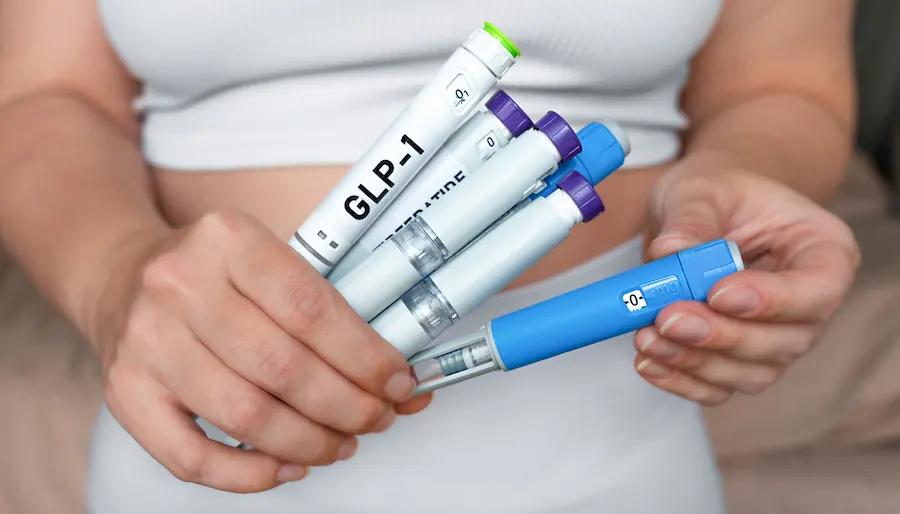
It’s one of the most common questions patients ask right now: “Which weight loss medication is right for me?”
Most people aren’t starting from scratch. They’ve heard about friends doing well on Zepbound®, seen celebrities talk about Ozempic®, or read headlines about new GLP-1 medications. It can feel like there’s a clear “best” option. Medically, it’s not that simple.
At St. Louis Bariatrics, we tell patients that the right medication is not chosen based on popularity or someone else’s success. It’s chosen based on your body, your health history, your goals, and how your body responds over time.
Why this question is more complicated than it seems
It’s understandable to want to try what worked for someone you know. But weight loss medications don’t work like one-size-fits-all products. Two people taking the same medication can have different outcomes based on metabolism, insulin resistance, appetite regulation, and other medical factors.
A personalized medical evaluation matters more than trends or anecdotes.
Understanding GLP-1 medications like Wegovy and Zepbound
Most of today’s weight loss medications fall into a category called GLP-1 receptor agonists. These include Wegovy® (semaglutide) and Zepbound (tirzepatide).
These medications help reduce appetite, improve fullness after eating, and regulate blood sugar and insulin response.
While they can be effective for many patients, the degree of weight loss varies widely. Some patients respond quickly and significantly, while others experience more modest results or side effects that limit dosing. This variability is normal and expected.
“Which medication is best?” is often the wrong question
Patients often want a clear winner: “Is Zepbound better than Wegovy?” or “Should I take what works fastest?”
The better medical question is: “Which medication is safest and most effective for my body right now?”
Factors that matter include existing health conditions such as diabetes, reflux, or gallbladder disease, as well as medication tolerance, previous weight loss attempts, and long-term sustainability. A medication that works well but makes someone feel consistently unwell is not a good long-term solution.
What patients worry about most
One of the most common concerns we hear: “I don’t want the medication to make me sick.”
That concern is valid. GLP-1 medications can cause side effects such as nausea, constipation, or fatigue, especially during dose adjustments. Not every patient experiences side effects the same way, and many find that symptoms improve with careful dosing and medical supervision.
Another concern is what happens when medication is stopped. Some patients maintain weight loss, while others experience regain if long-term lifestyle and metabolic changes haven’t been established. Ongoing follow-up matters for this reason.
When medication alone may not be enough
GLP-1 medications have changed how we treat obesity, but they are not always a complete solution on their own.
Some patients experience a weight loss plateau after initial success, gradual regain after stopping medication, or difficulty maintaining results long term without continued treatment. This happens because obesity is a chronic, biologic condition, not just a matter of willpower or short-term intervention.
When bariatric surgery becomes part of the conversation
For some patients, medication is the right first step. For others, it may be part of a longer treatment plan that includes surgery.
Bariatric surgery, such as gastric sleeve or gastric bypass, works through different mechanisms than medication and often leads to more durable, long-term weight loss for the right patients.
At St. Louis Bariatrics, we don’t position medication and surgery as competitors. We evaluate which tools, or combination of tools, fit the patient’s needs best over time.
How St. Louis Bariatrics personalizes treatment
There is no algorithm that replaces a physician-guided evaluation.
At St. Louis Bariatrics, treatment is individualized based on a full medical assessment, patient goals, and ongoing response to therapy. The medical weight loss program currently supports hundreds of active patients using FDA-approved GLP-1 medications such as semaglutide and tirzepatide, when appropriate.
Care is led by Dr. Jay Michael Snow, a board-certified bariatric surgeon and Fellow of the American College of Surgeons with more than 15 years of experience treating complex weight loss cases. His background in both surgical and minimally invasive approaches allows patients to be evaluated across the full spectrum of care.
The most important takeaway
There is no single best weight loss medication for everyone.
The right choice depends on your health history, how your body responds, and what you need for long-term success. Not what worked for a friend or what you read in a headline.
If you are considering GLP-1 medications, or wondering whether medication or surgery is the better path, the safest next step is a medical evaluation that looks at your full picture.
Results vary. Any weight loss treatment, whether medication or surgery, works best when it is guided by ongoing medical support.